









Contents
- What Is 7 on 7 Football?
- 7 on 7 rules in 60 seconds (common version)
- 7 on 7 positions (offense + defense)
- Field size and game format (why it feels so fast)
- 7 on 7 scoring (common patterns)
- What gear do you need for 7 on 7?
- Difference Between Flag Football and 7 on 7
- Why play 7 on 7?
- What 7 on 7 does NOT train well
- Key Takeaways

What is 7 on 7 football?
7 on 7 (or 7 vs 7) football is a fast, pass-heavy version of football with seven players on the field per team. It’s usually non-contact (or very limited contact), so it’s popular in the offseason when teams want to get better at passing, catching, and coverage without full pads.
Most high school players use 7 on 7 to improve:
- Quarterback timing and reads
- Receiver routes and hands
- Defensive back footwork, hips, and ball skills
The simple answer
7 on 7 football is football’s “passing practice” turned into a game. You’ll see a lot more throws, a lot more catches, and a lot more one-on-one coverage than in tackle football.
7 on 7 rules in 60 seconds (common version)
A lot of leagues share the same “core” ideas:
- 7 players per side
- No blocking and no tackling (it’s typically touch/flag rules)
- Offense is usually: QB + center/snapper + 5 eligible receivers
- Short throw clock: many leagues use a quick pass clock (examples: 3.5 seconds or 4 seconds)
- Short field: often a “compressed” field (many formats use 40–50-ish yards of working space)
- Scoring usually starts with: TD = 6, plus a short extra-point pass attempt
Important: 7 on 7 rules change by league and tournament. Always check your event rules and ask your coach.
7 on 7 positions (offense + defense)
Offense (most common)
In many formats, the offense is:
- Quarterback
- Center / snapper
- Five receivers (can be WRs, slots, RB-types, or TEs depending on the rules)
Defense (most common)
Defense varies, but it’s usually built from:
- Defensive backs (CB/S)
- Linebacker-type coverage players
Some formats add a rusher (especially in flag versions), and many define how far back the rusher must start.
Field size and game format (why it feels so fast)
7 on 7 games move quickly because the field is smaller and the clock is tight.
Examples of real formats:
- A flag-style rulebook may start drives deep (like the 5-yard line) and use “cross midfield” as the first down.
- Some leagues start possessions at the 40-yard line and play for two short halves.
- Some 7 on 7 formats use a 45-yard field setup.
Bottom line: Expect short drives, lots of snaps, and lots of one-on-one matchups.
7 on 7 scoring (common patterns)
Most formats keep it simple:
- Touchdown = 6
- Extra point = short pass attempt (often 1 or 2 points depending on distance)
Some leagues also award points for:
- Interceptions (often 3 points)
- Defensive stops on downs (often 2 points)
Rules can vary by league, ask your coach or check your league rules.
What gear do you need for 7 on 7?
7 on 7 is lighter than tackle, but you still need the basics.
7 on 7 gear checklist
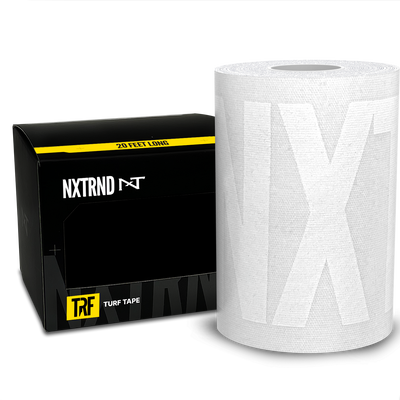
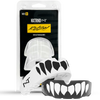
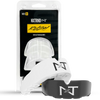
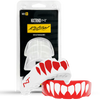
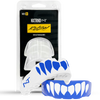
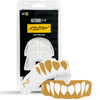
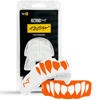
- Mouthguard (many leagues require it)
- Cleats (no metal spikes if the league bans them)
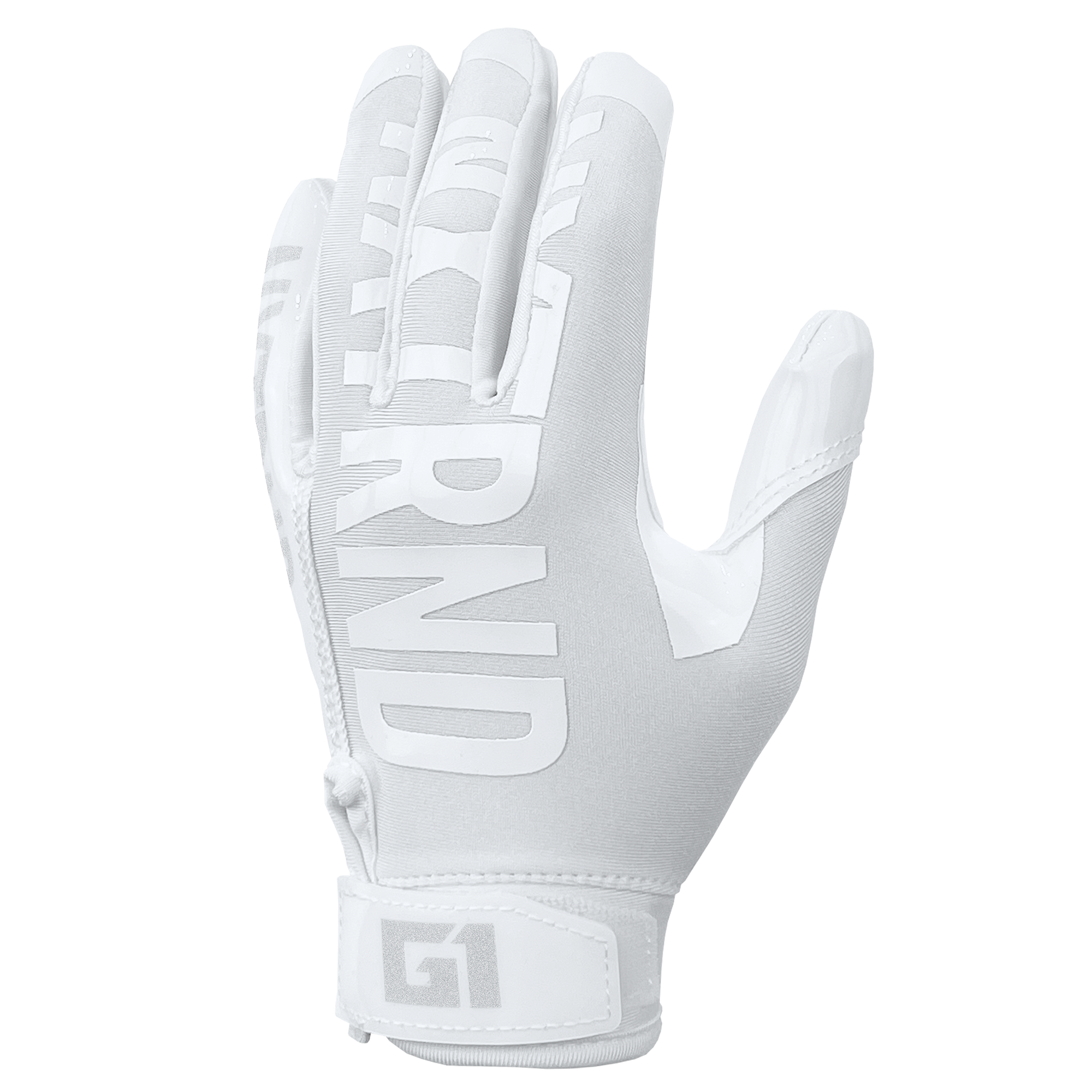
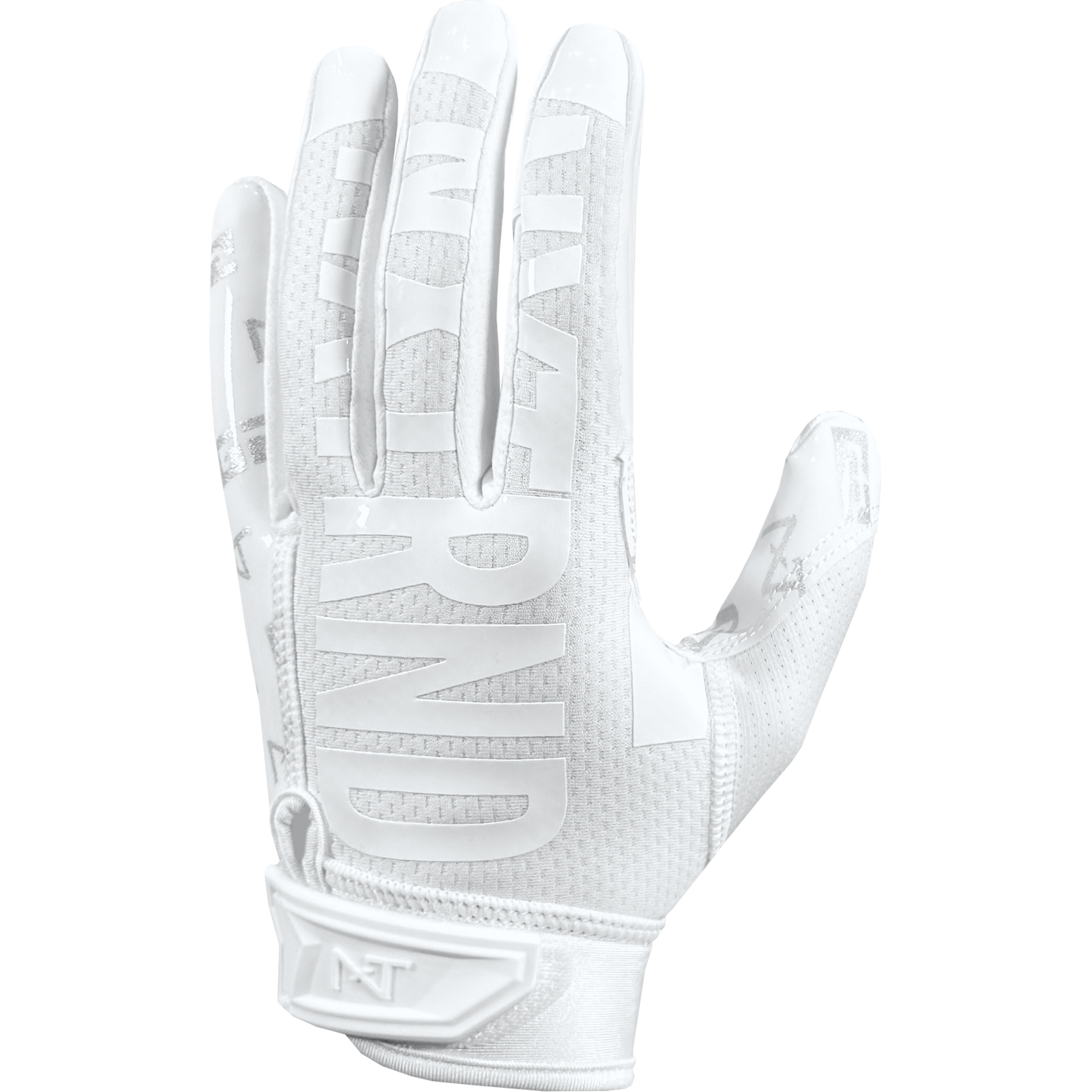
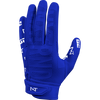
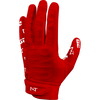
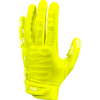
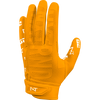
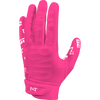
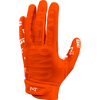
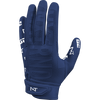
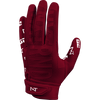
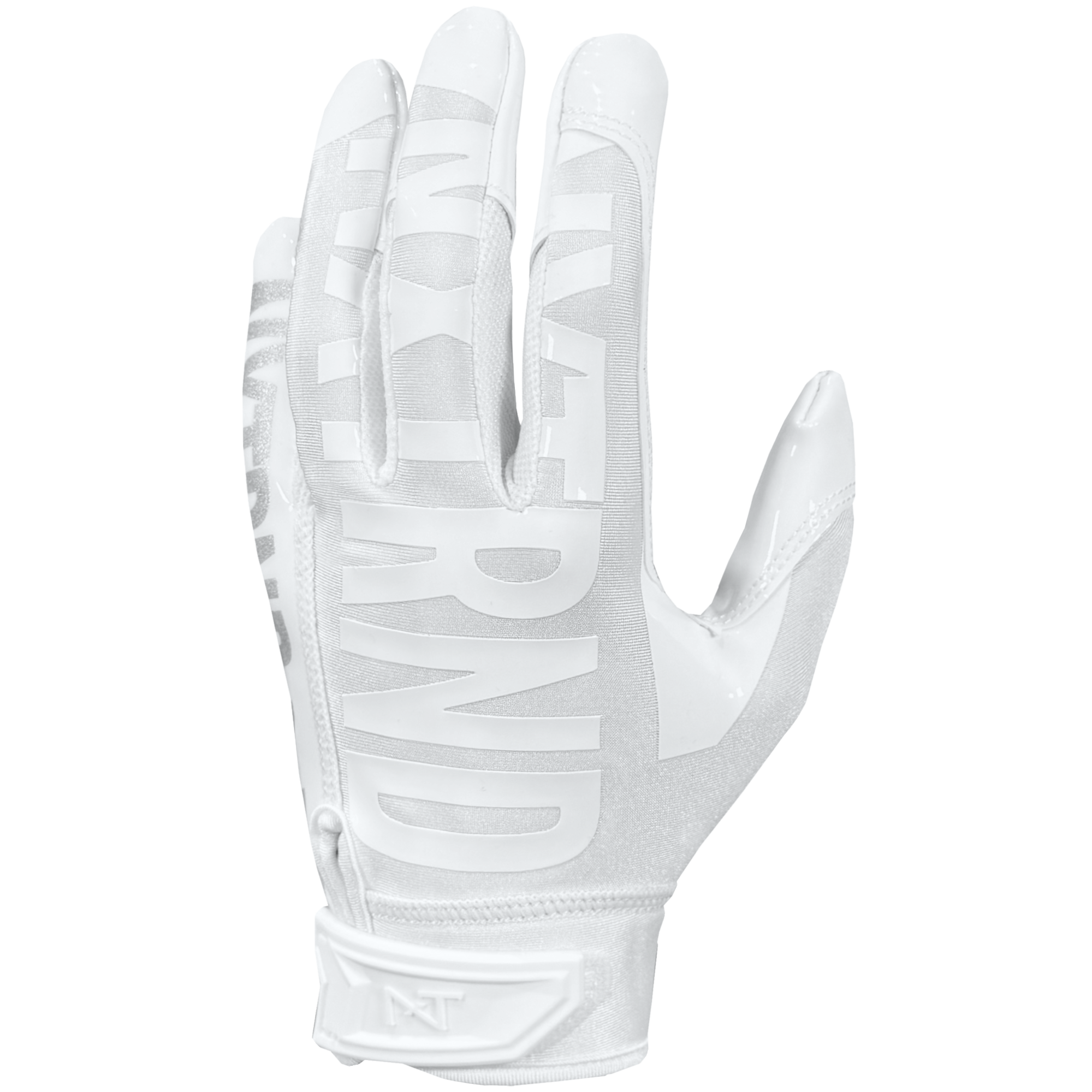
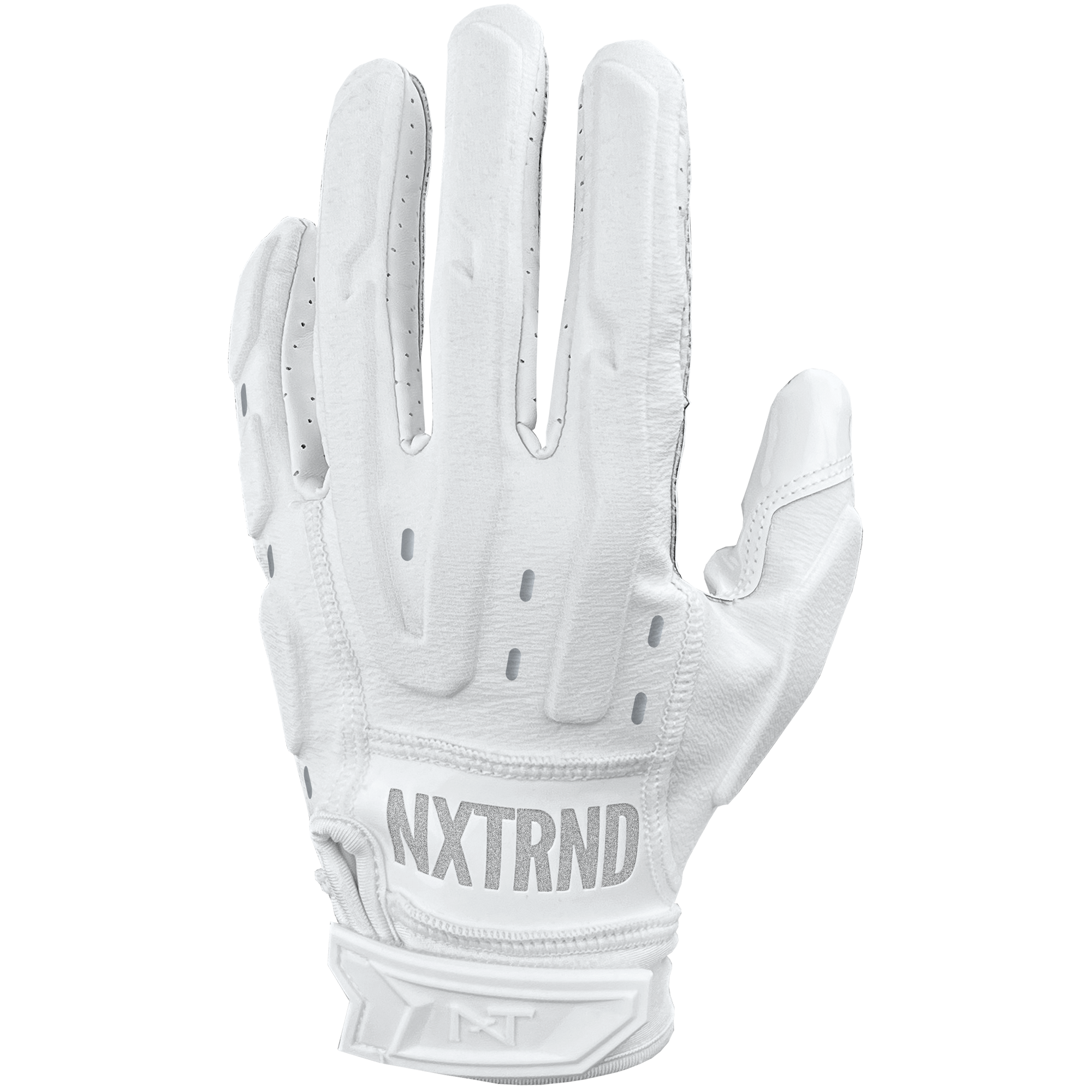
- Football gloves (helps with catches in heat, sweat, or light rain—huge for WR/DB reps)
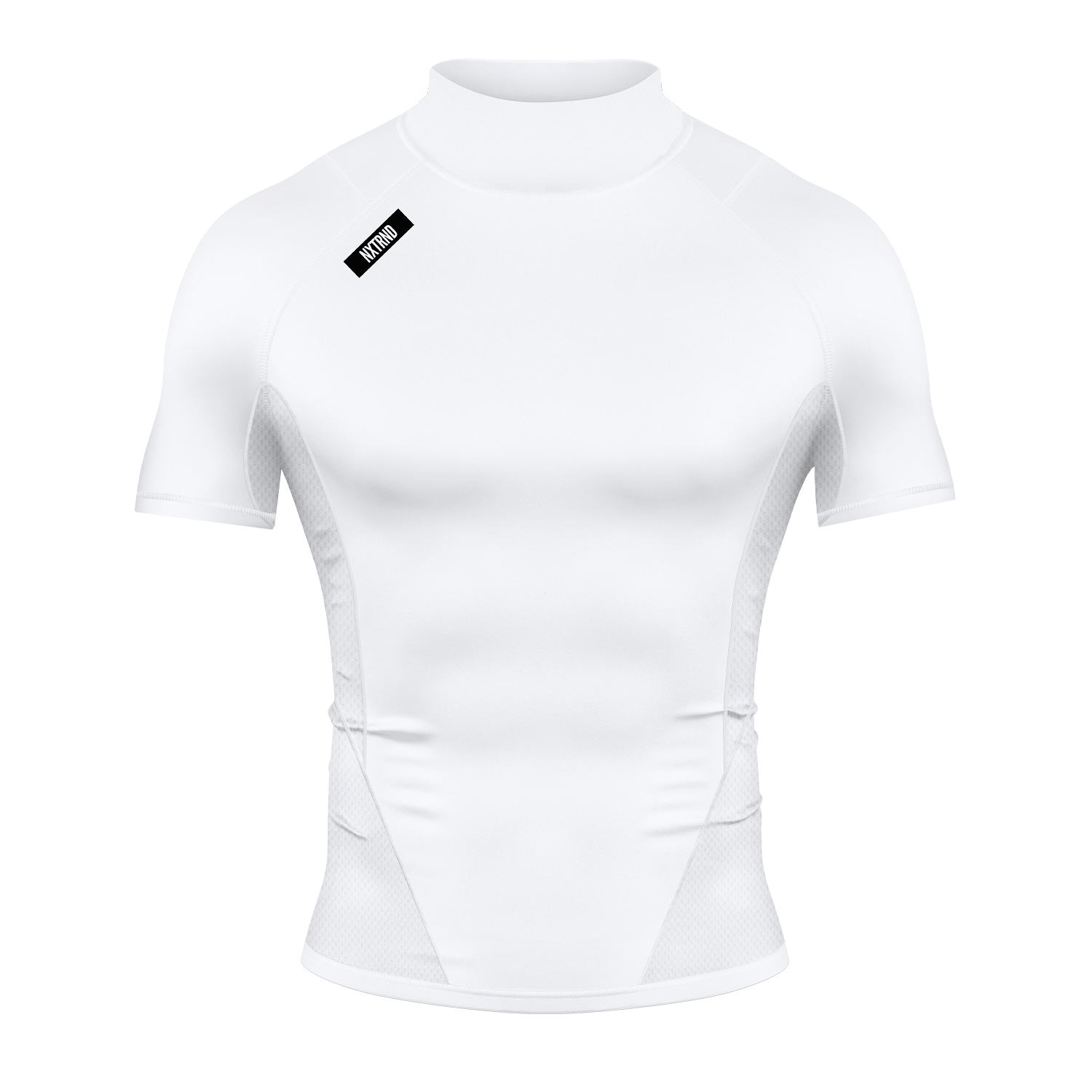
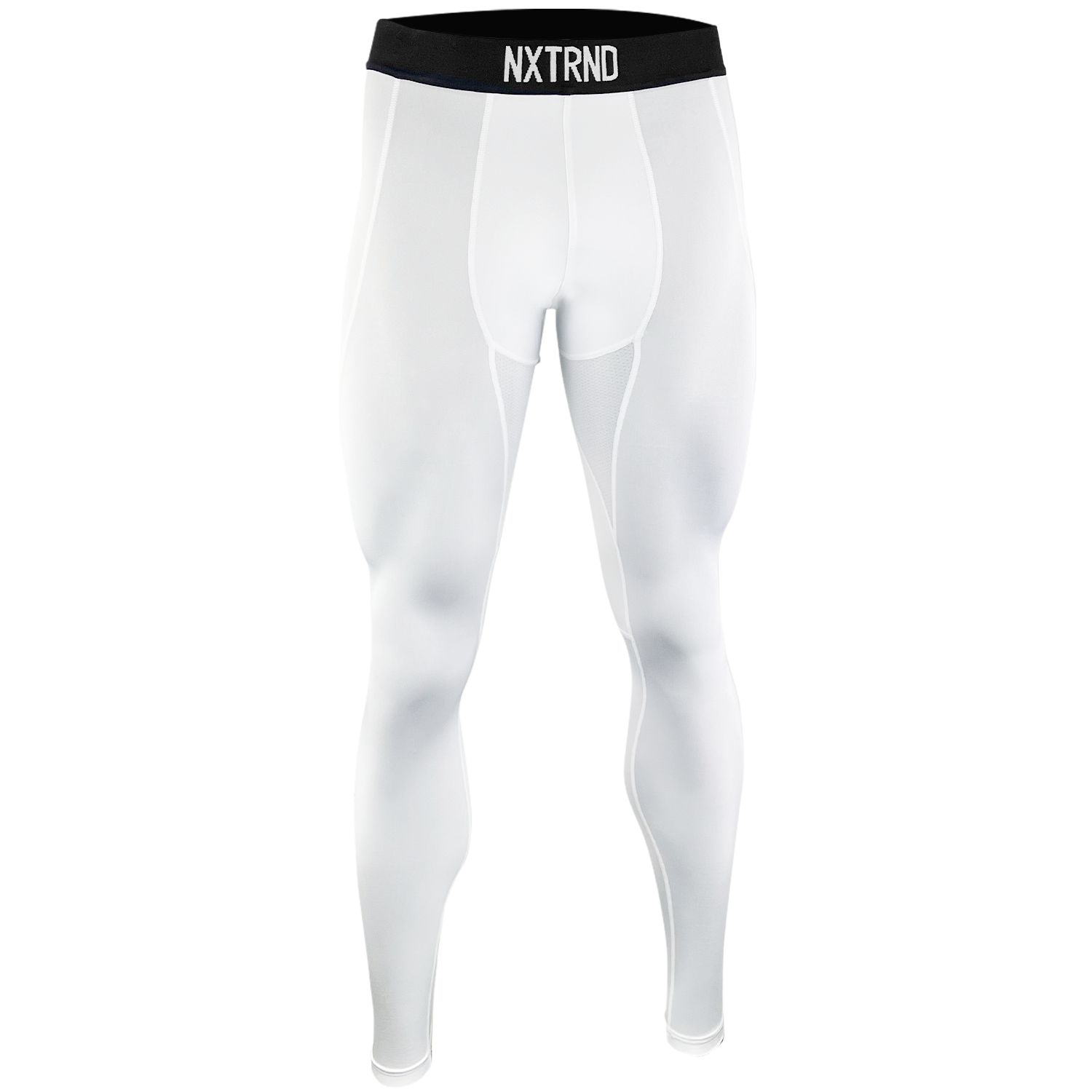
- Athletic shorts/tights (flag leagues often require no pockets)
For a full breakdown, check out: What Do You Wear for 7 on 7 Football?




















Difference Between Flag Football and 7 on 7
While both formats are non-contact, flag football and 7 on 7 are not the same.
Here’s the quick breakdown:
Flag football focuses on:
- Pulling flags instead of touching down
- More running plays
- Younger age groups and beginners
7 on 7 football focuses on:
- Passing and coverage skills
- QB–WR timing
- Defensive back development
Many players start with flag football and move into 7 on 7 as they get older and more advanced.
Learn more here: What Is Flag Football?
Why play 7 on 7?
Most struggle with one of these:
- Dropping passes when they’re gassed
- Drifting on routes (not running them sharp)
- Panicking when the ball is in the air (DBs)
7 on 7 fixes that because you get:
- More reps (more throws and targets than a normal practice)
- Better timing (QB + WR chemistry)
- Better coverage skills (DB eyes, hips, and ball tracking)
What 7 on 7 does NOT train well
- Tackling
- Blocking
- Running game timing
- Trench play (OL/DL)
So don’t treat it like “real football.” Treat it like a skill lab that makes your fall season better.
Key Takeaways
- 7 on 7 football is a pass-heavy, non-contact format
- It’s designed to improve timing, routes, and coverage
- Rules and field size vary by league
- Gear is lighter, but gloves and mouthguards matter
- 7 on 7 complements tackle football, it doesn’t replace it















%20football%20is%20a%20fast,%20pass-heavy%20version%20of%20football%20with%20seven%20players%20on%20the%20field%20per%20team.%20It%E2%80%99s%20usually%20non-contact%20(or%20very%20limited%20contact),%20so%20it%E2%80%99s%20popular%20in%20the%20offseason%20...)