







Contents
- What Is Flag Football?
- How Flag Football Works
- Flag Football Positions
- Who Is Flag Football Best For?
- Flag Football vs Tackle Football
- What Gear Do You Need for Flag Football?
- Is Flag Football Safer Than Tackle Football?
- Why So Many Players Start With Flag Football
- Key Takeaways

What Is Flag Football?
Flag football is a non-contact version of football where players wear flags on a belt instead of being tackled. A play ends when a defender pulls the ball carrier’s flag.
Flag football is popular with youth players, beginners, and offseason programs because it teaches football skills with less physical contact.
Flag football lets players:
- Run
- Pass
- Catch
- Defend
All without tackling. It’s football stripped down to the basics.
How Flag Football Works
While rules vary by league, most flag football games follow the same structure.
Common flag football rules include:
- No tackling or blocking
- Ball carrier is “down” when a flag is pulled
- Teams usually play with 5–7 players per side
- Short fields and fast games
- Passing is common, but runs are allowed
Some leagues allow light contact. Others are strictly no-contact. Always check league rules.
Flag Football Positions
Positions depend on the format, but most teams include:
Offense
- Quarterback
- Receivers
- Running back or center (depending on rules)
Defense
- Defensive backs
- Coverage-focused linebackers
There are no offensive or defensive linemen like in tackle football.
Who Is Flag Football Best For?
Flag football is great for:
- Youth players learning football
- New players trying the sport for the first time
- Parents looking for a safer introduction to football
- Players who want to build speed and coordination
Many athletes use flag football before moving to tackle football or 7 on 7.
Related read: Difference Between Flag Football and 7 on 7
Flag Football vs Tackle Football (Quick Comparison)
| Feature | Flag Football | Tackle Football |
|---|---|---|
| Tackling | No | Yes |
| Pads | No | Full pads |
| Contact Level | Low | High |
| Field Size | Smaller | Full field |
| Age Groups | Youth–adult | Youth–pro |
Flag football focuses on skills and fun, while tackle football adds physical contact.
What Gear Do You Need for Flag Football?
Flag football uses minimal equipment, but a few items matter.
Most players wear:
- Flag belt (provided by league)
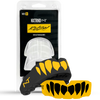
- Mouthguard (sometimes required, often recommended)
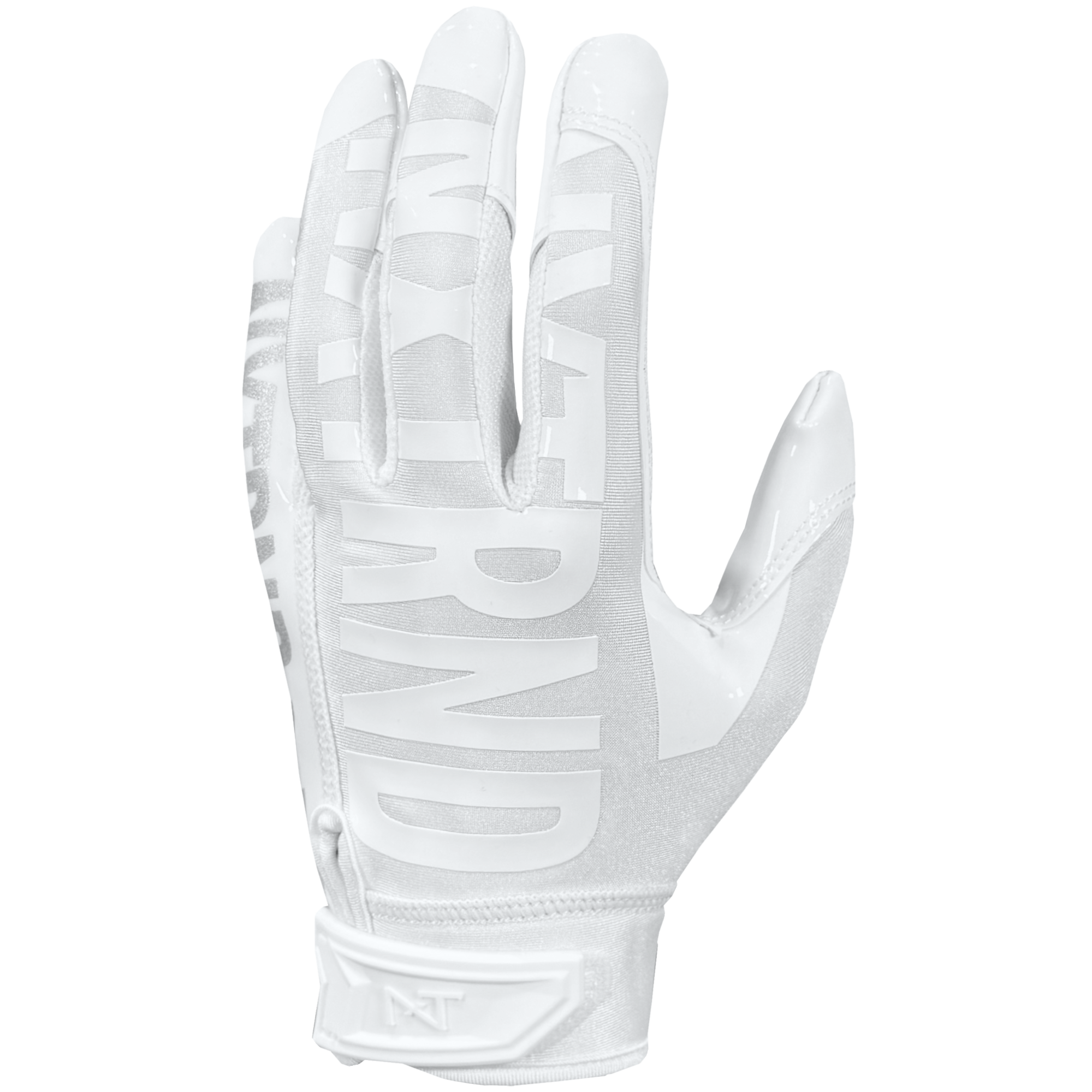
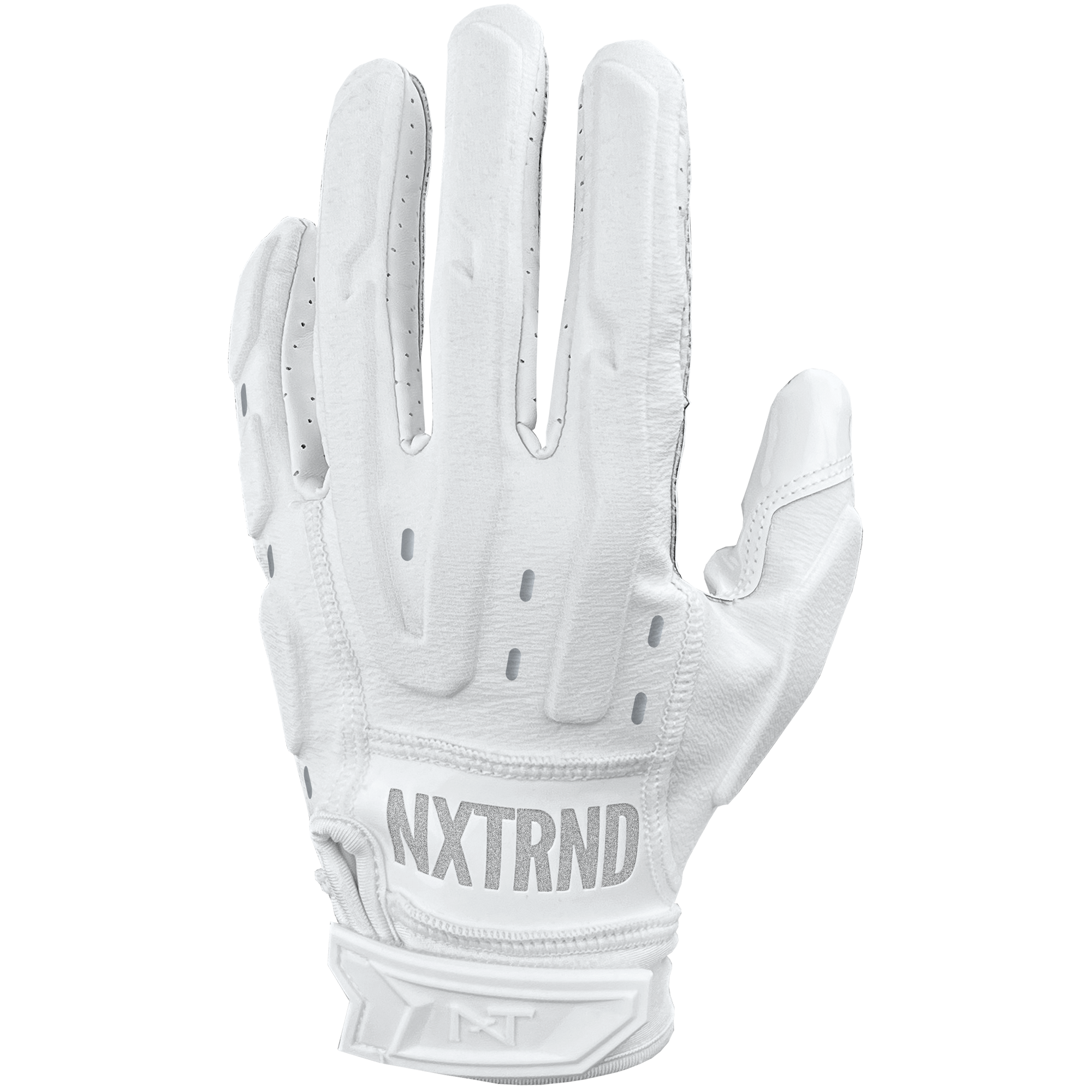
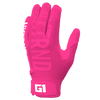
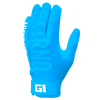
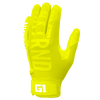
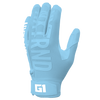
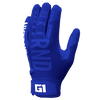
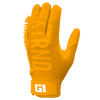
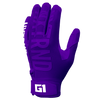
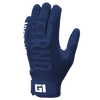
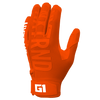
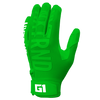
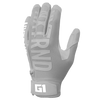
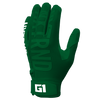
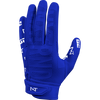
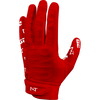
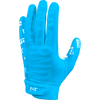
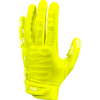
- Football gloves
- Cleats or turf shoes
- Shorts with no pockets
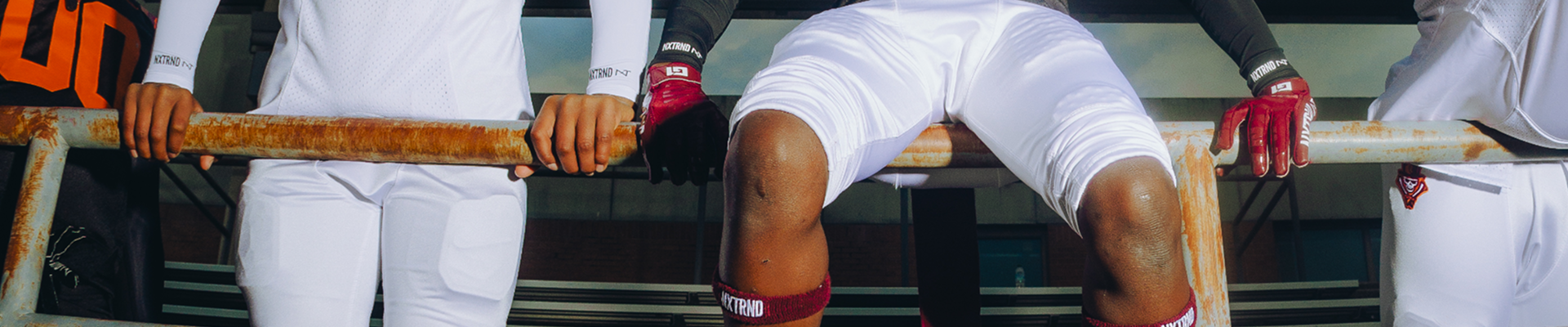
Gloves help with catching, especially in hot or wet conditions. Many players also wear compression shorts or arm sleeves for comfort.
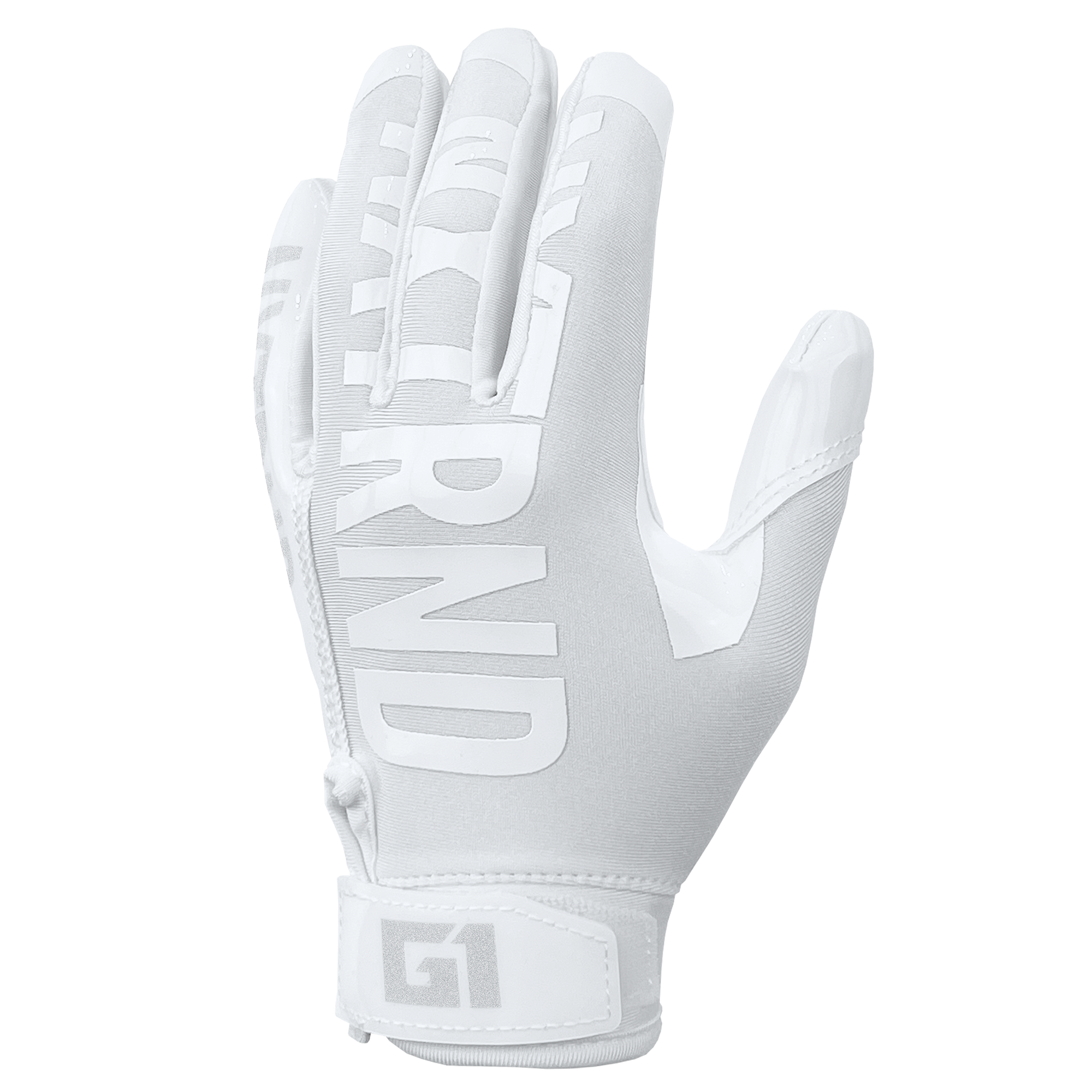
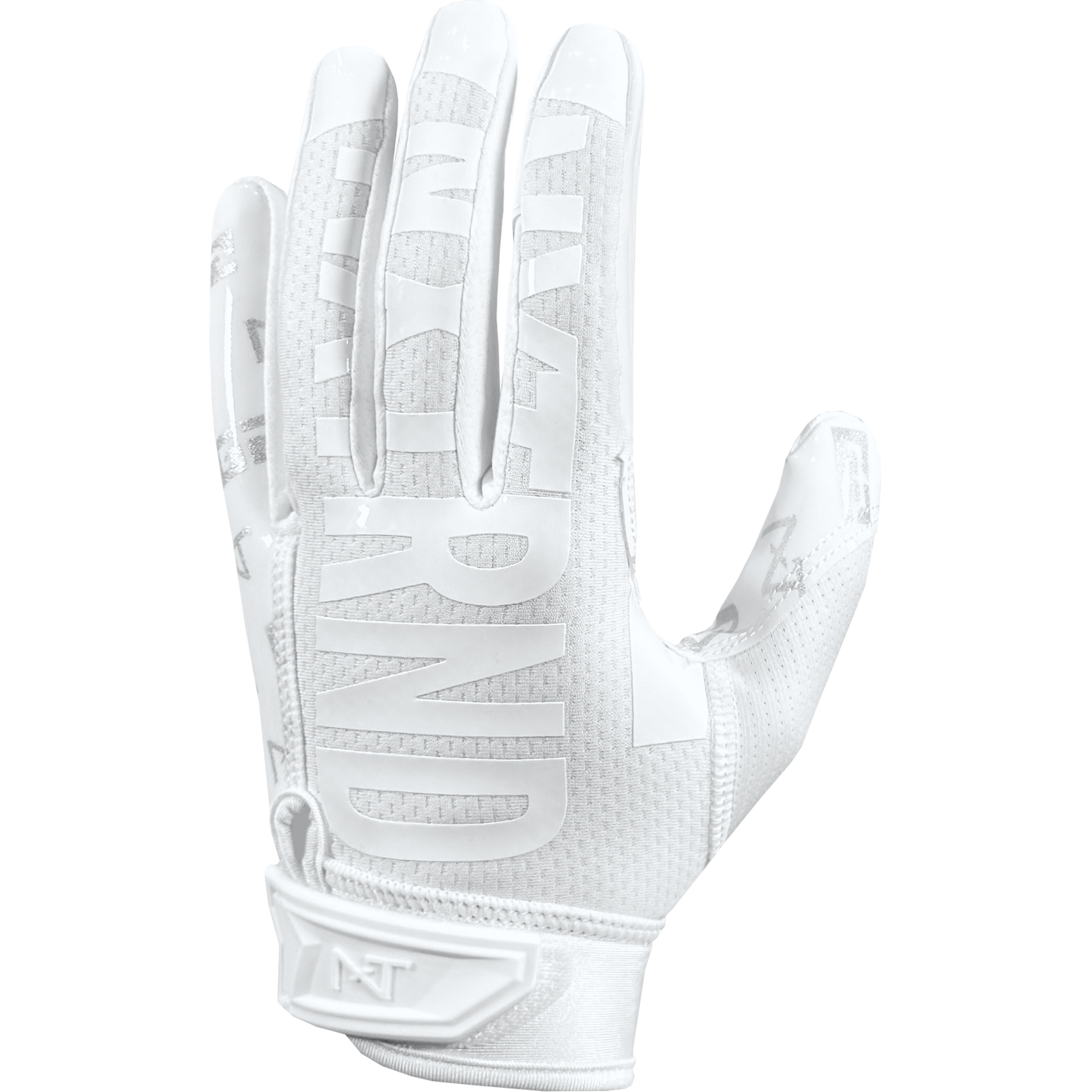
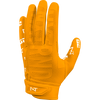
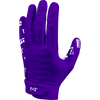
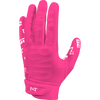
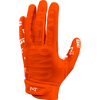
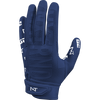
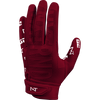
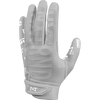
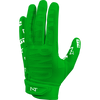
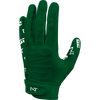
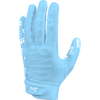
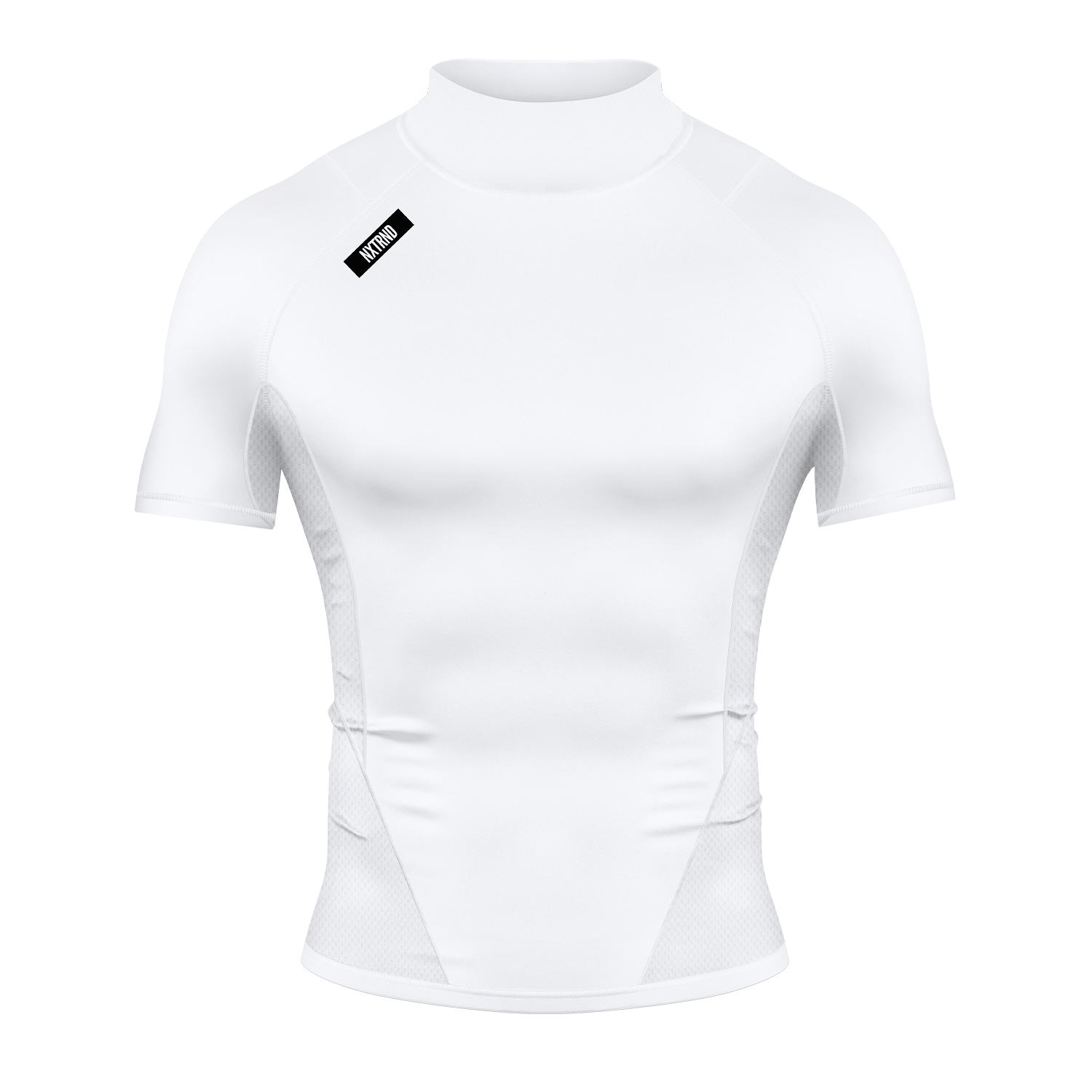

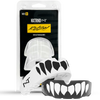
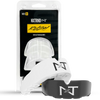
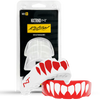
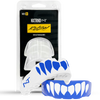
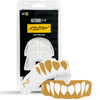
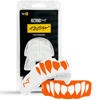
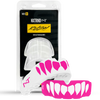
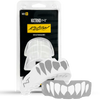
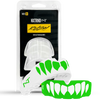
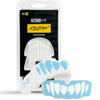
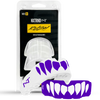
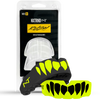
Full guide here: What Do You Wear for Flag Football?
Is Flag Football Safer Than Tackle Football?
Flag football has less contact than tackle football, which lowers the risk of injury. That’s why many youth leagues and schools offer it as an introduction to the sport.
That said, players can still fall or collide, so safety rules and proper gear still matter.
Why So Many Players Start With Flag Football
Flag football helps players:
- Learn the rules of football
- Build confidence with the ball
- Improve speed and agility
- Have fun while learning
As players get older, many move from flag football to 7 on 7 or tackle football.
Learn more: What Is 7 on 7 Football?
Key Takeaways
- Flag football is a non-contact version of football
- Players pull flags instead of tackling
- It’s popular with youth and beginners
- Gear is minimal but still important
- Many players progress from flag → 7 on 7 → tackle